











What risks poppers carry and what to do in an emergency
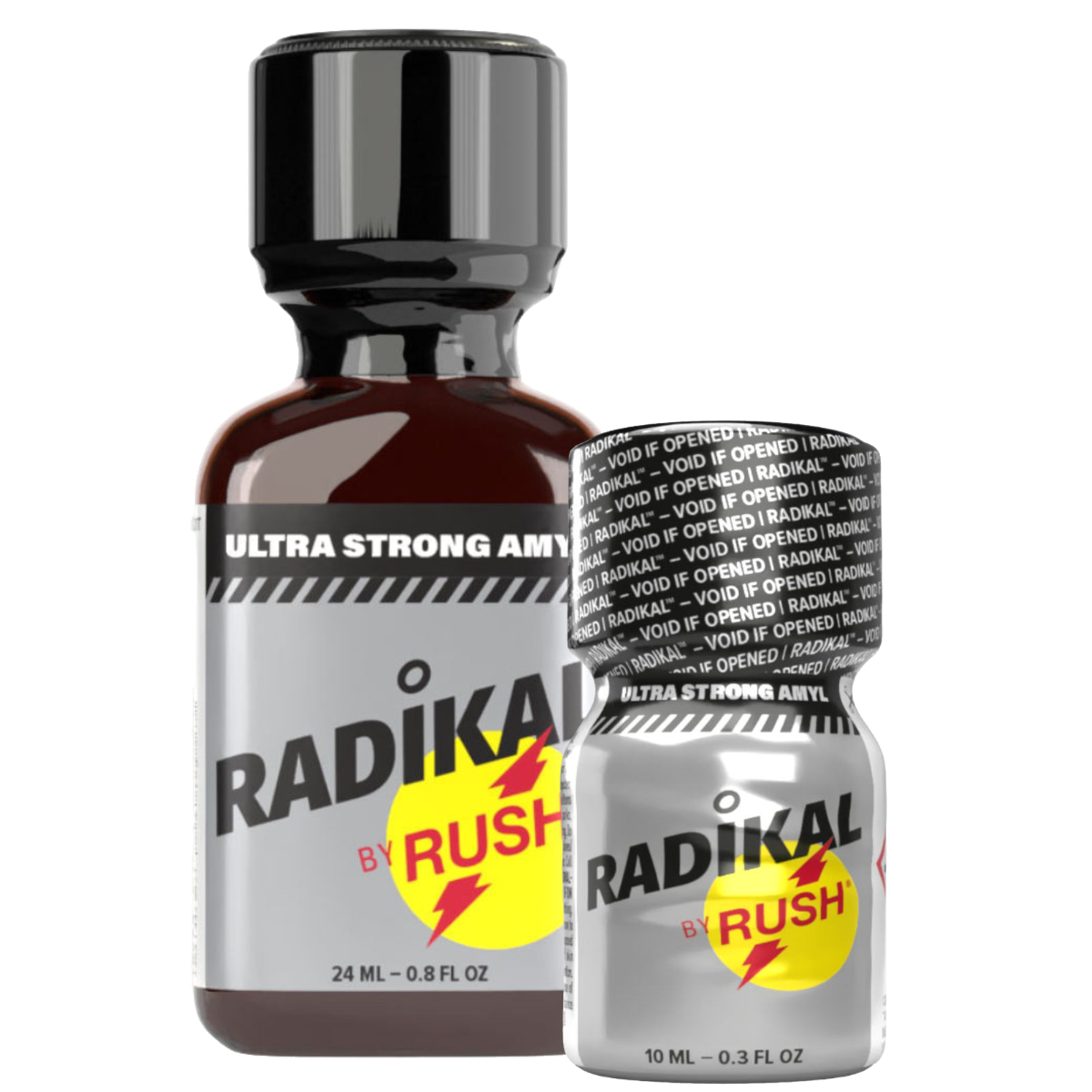
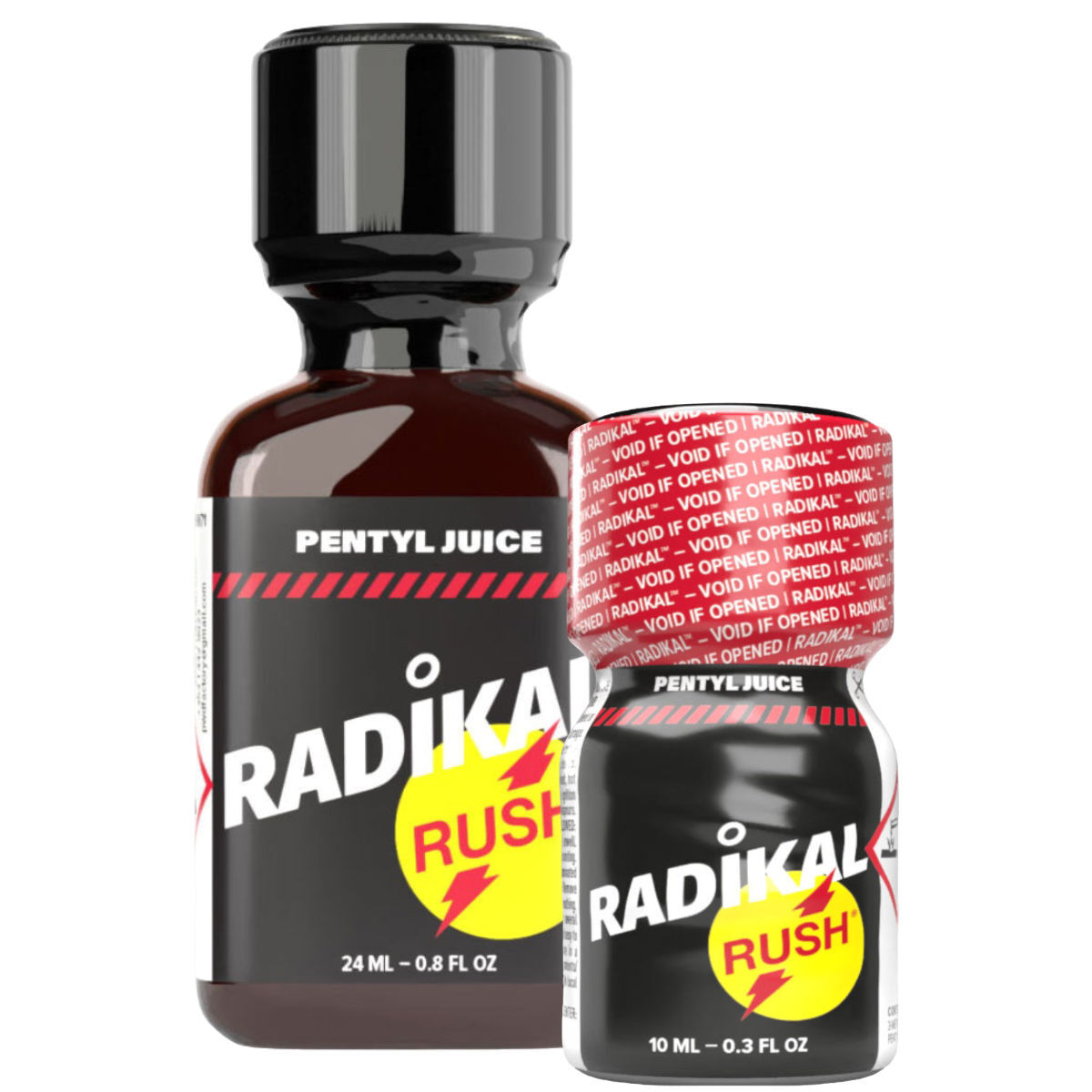
What are poppers?
Poppers act briefly and intensely: the effect fades after a few minutes. They widen the blood vessels, which is why certain combinations are risky (see below). The liquid must never be swallowed.
Ground rules for poppers
Three ground rules apply to poppers: never swallow the liquid, never combine it with certain medication and open bottles only in well-ventilated rooms.
- Never swallow: acute poisoning risk through methaemoglobin formation.
- Do not combine with PDE-5 inhibitors or nitrates: risk of circulatory failure.
- Open bottles only in well-ventilated rooms: in a closed car or in small rooms without fresh air the vapours accumulate. The concentration raises the risk of headaches, dizziness and circulatory problems.
Who should avoid poppers
The following groups should avoid poppers:
- Eye conditions, in particular glaucoma: increased risk.
- Existing cardiovascular conditions such as coronary heart disease or heart failure.
- Significantly low blood pressure, because poppers can cause fainting.
- Anaemia, G6PD deficiency, recent head trauma or bleeding into the head; conditions that affect oxygen supply or injuries to the head make poppers dangerous.
- Pregnancy and breastfeeding.
- Concurrent use of PDE-5 inhibitors or nitrates.
Swallowing the liquid is highly toxic. Large amounts or accidental swallowing can form methaemoglobin and reduce the oxygen supply in the blood to a life-threatening degree. Methaemoglobin is a form of haemoglobin that can no longer transport oxygen. This methaemoglobinaemia causes shortness of breath and blue discolouration of the lips and can become life-threatening. If poppers are swallowed, contact your country's poison control service immediately.
Common side effects of poppers
Right after use, the following may occur:
- Headaches
- Dizziness
- Brief tachycardia (racing heartbeat)
- Nausea
- Facial flushing (skin redness)
The symptoms usually subside within a few minutes. Direct skin contact with the liquid can cause irritation or chemical burns. In poorly ventilated rooms the concentration of vapours rises, and with it the risk of headaches, dizziness and circulatory problems.
Mixing poppers with other substances
Poppers strain the circulation. Other substances can amplify this strain dangerously or make it unpredictable.
- PDE-5 inhibitors (erection medication such as Viagra, Cialis, Levitra with the active ingredients sildenafil, tadalafil, vardenafil): both lower blood pressure. The combination can cause a massive, life-threatening drop up to circulatory failure, heart attack or stroke.
- Nitrates such as nitroglycerine: another dangerous drop in blood pressure.
- Alcohol in larger amounts: increases the strain on circulation.
- Drugs and sedatives: interactions are poorly studied and unpredictable, so do not combine them.
If you regularly take blood-pressure medication, avoid poppers. We strongly advise against using poppers together with other substances.
Storage
- Store cool, dark and upright.
- Close the bottle immediately after each use to minimise evaporation loss.
- Keep away from open flames or ignition sources. Poppers are highly flammable.
- Keep out of reach of children and pets.
Accidents and first aid
- Skin contact: wash the affected area immediately and thoroughly with plenty of water and soap; if irritated, seek medical advice. Never let poppers near open wounds.
- Eye contact: flush for at least 10 minutes under running water and consult a doctor.
- Swallowing: contact your country's poison control service immediately. In the EU dial 112 for emergency services; in the UK call 111 or 999; in the US call 1-800-222-1222. Do not induce vomiting.
- Dizziness, fainting, shortness of breath: If the person feels dizzy or faint, lay them flat, raise the legs and ensure fresh air. If breathing is difficult, prop the upper body up or let the person sit upright. In case of shortness of breath, fainting or persistently impaired consciousness, call emergency services (112). If the person is unconscious but breathing normally, place them in the recovery position and call 112.
Tolerance and habituation
Regular use can lead to habituation. Physical dependence is not documented, but psychological habituation is possible.
Frequent use over longer periods can irritate the respiratory tract. After poppers use, retinal damage (poppers maculopathy) with visual disturbances has been described. Cardiovascular strain has also been documented. Anyone noticing persistent symptoms should see a doctor. If you notice visual disturbances, stop using poppers and have your eyes checked by an eye specialist.
Confidential support is available from national information services, for example FRANK in the United Kingdom (talktofrank.com, 0300 123 6600). Elsewhere in the European Union, health agencies and harm-reduction organisations help.
Safer sex and poppers
Under the influence of poppers, the body's warning signals are more easily overlooked. That can raise the risk of small injuries. We recommend the consistent use of condoms to prevent HIV and other sexually transmitted infections. Open communication and consent matter just as much.
Legal note
All aromas in the shop are declared as room odorisers and should not be inhaled according to the label. More on this is on the page “are poppers legal?”. This guide does not replace medical advice; when in doubt, always seek medical help.
Poppers at Tom Rocket's
Tom Rocket's stands for informed, responsible handling. The range is sorted by brand, formula and size; matching accessories are available too. Play safe, play smart: shop all poppers.
Frequently asked questions about safe handling
Can you combine poppers with Viagra?
No. PDE-5 inhibitors like sildenafil together with poppers lower blood pressure so much that circulation can be strained dangerously.
Are headaches a common side effect of poppers?
Yes. Headaches are a common side effect and usually subside within a few minutes. The risk rises when the concentration of vapours is high in poorly ventilated rooms. If the symptoms persist, seek medical advice.
What happens if you swallow poppers?
Swallowing is dangerous and can form methaemoglobin. Do not induce vomiting; contact your country's poison control service immediately. In the EU dial 112 for emergency services; in the UK call 111 or 999; in the US call 1-800-222-1222.